
EEG / Cognition / Brain–computer interfaces
Human signals.
Machine response.
Cyberbeing explores how brain activity can inform the way we interact with software and machines, through practical EEG experiments, signal analysis and interface prototypes.

Our perspective
Measure the signal. Design the response.
Before building an interface, find out which features in the signal are repeatable and which come from blinks, movement or poor contact. Those limits tell us what a machine can usefully do.
Focus areas
From headset to prototype.
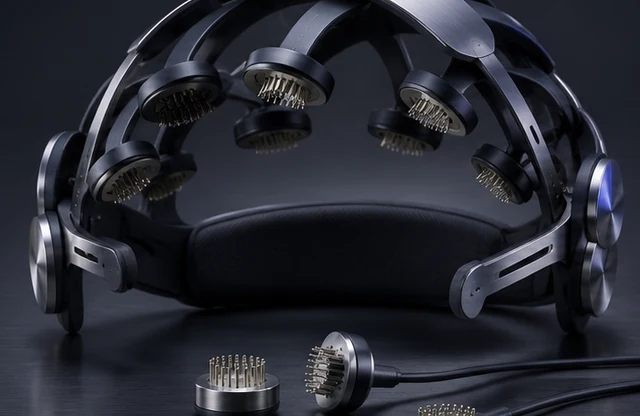
Capture
Record a usable signal
Check electrode contact and understand what a consumer EEG headset can measure.
Read the setup note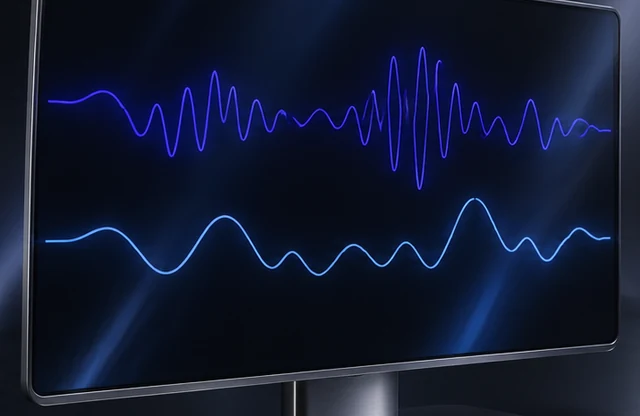
Interpret
Look for a repeatable change
Compare alpha activity with eyes open and eyes closed across matched recording windows.
Explore the experiment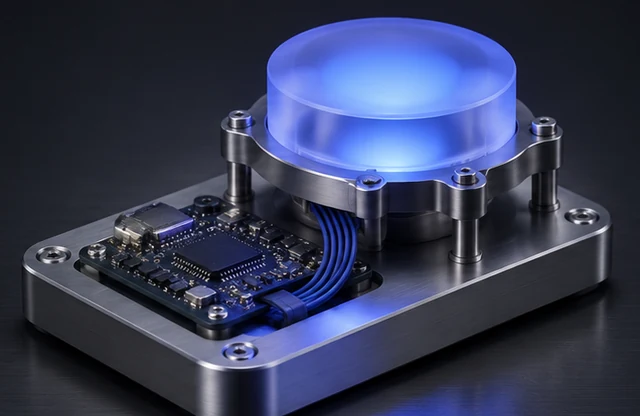
Respond
Design for uncertainty
Build feedback that tells the user when the machine has a usable signal and when it needs better contact.
Read the prototype noteFirst experiment · Planned
Do closed eyes change the signal?
The first Cyberbeing experiment will compare EEG recordings taken with eyes open and eyes closed. The aim is to see whether alpha-band activity changes consistently across several short trials.
- Check electrode contact and confirm recording access for the headset.
- Alternate between eyes-open and eyes-closed intervals while sitting still.
- Compare alpha-band power across usable intervals and document signal artefacts.
Compare the traces
Eyes open · The simulated alpha component is relatively weak.
This demonstration uses synthetic data. Headset recordings will be reported separately.
Articles
Field notes
Follow the first experiment from setup and recording through to prototype feedback.
Setup · PreviewWhat can a consumer EEG headset actually measure?
Scalp EEG picks up voltage changes at the electrodes. Before interpreting a trace, check which channels the headset records, how well the electrodes make contact and what the software lets you inspect or export. A short session with one deliberate blink is a good way to see how movement can show up in a recording.
Experiment · PreviewEyes open, eyes closed
A useful comparison needs several trials under similar conditions. Mark each transition, set aside the moments when the eyes are moving and compare the same time window in each recording. The field note will include how many trials were usable and whether the pattern held up.
Prototype · PreviewWhat should a machine do when the signal is uncertain?
The first interface could be as simple as an on-screen indicator with three states: signal present, signal absent and poor contact. That last state matters. It gives the person a clear way to adjust the headset before the software interprets the next interval.
What is Cyberbeing?
Cyberbeing is an MGCA specialist initiative focused on EEG, cognition and human–machine interfaces. Its experiments and field notes explore how to capture usable signals, test whether a result is repeatable and design feedback around the quality of the evidence.
Where should I start?
Start with the eyes-open and eyes-closed comparison. Try the simulated traces, then read how the first recording session will be set up and checked.